

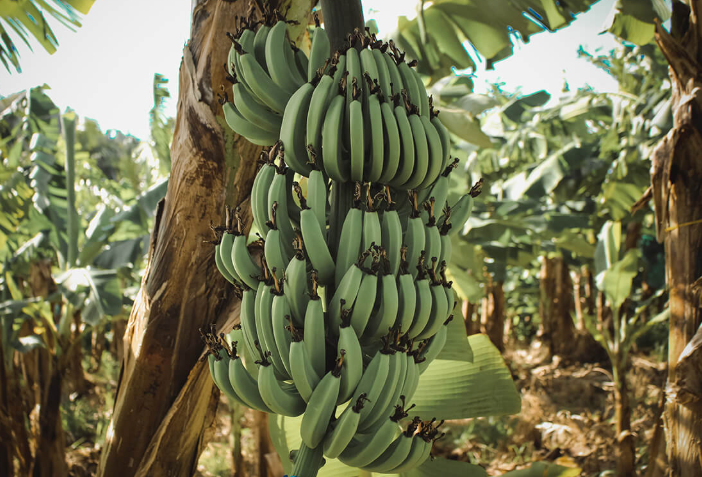
13. Bananas of the Past Were Different
The bananas our great-grandparents consumed, particularly the Gros Michel variety, were significantly different from today’s Cavendish bananas. In the late 1800s, Panama disease devastated Gros Michel plantations, nearly wiping out global supplies. By cultivating resistant varieties in Thailand, humans preserved banana consumption, though the fruit’s taste, texture, and size changed. This agricultural history illustrates how disease, human intervention, and selective breeding shape modern food. Bananas, now ubiquitous, are the product of centuries of adaptation and innovation, reflecting humanity’s role in shaping natural resources. Their story highlights the fragility of monoculture crops and the ingenuity required to maintain staple foods in the face of ecological challenges.