
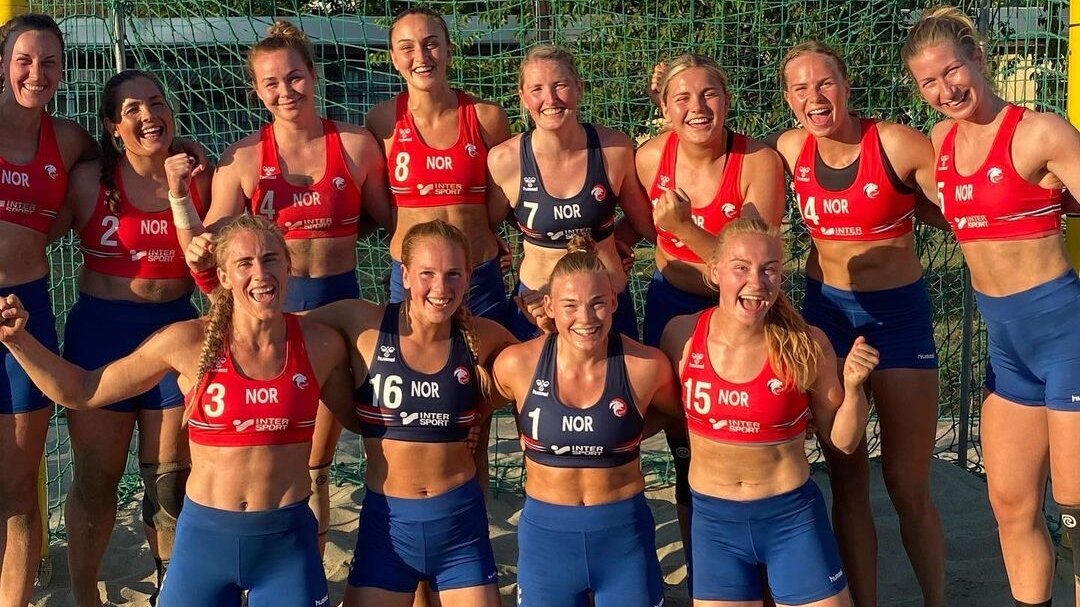
4. Norway
Women in Norway are highly active due to a lifestyle deeply connected with nature and outdoor endurance activities. Hiking, skiing, and long-distance walking are common recreational habits throughout the year, regardless of weather conditions. The concept of “friluftsliv,” meaning outdoor living, plays a major role in encouraging regular physical movement from childhood into adulthood. Norwegian women often prioritize functional fitness over appearance-based training, focusing on strength, stamina, and overall health. Daily routines frequently include walking or cycling, and many workplaces encourage active commuting. Fitness culture is supported by strong public access to natural landscapes, making exercise both accessible and enjoyable. Combined with a health-focused diet and low levels of sedentary behavior, Norwegian women consistently rank among the most physically active in Europe. This natural integration of movement into lifestyle contributes significantly to their strong overall fitness profile.

5 Finland
Women in Finland maintain strong fitness levels influenced by a culture that embraces outdoor activity even in extreme seasonal conditions. Activities such as walking, cross-country skiing, ice swimming, and hiking are commonly practiced and widely accepted as part of everyday life. Finnish women often develop high endurance levels due to regular exposure to cold-weather environments, which naturally encourages physical resilience. Fitness is also supported through structured school sports programs and accessible public recreational facilities. Many women combine gym-based training with outdoor endurance activities, creating a balanced approach to health and strength. Mental wellbeing is closely linked to physical activity in Finnish culture, reinforcing consistent exercise habits. Despite long winters, inactivity rates remain relatively low compared to global averages. This combination of environmental adaptation, cultural acceptance of outdoor exercise, and structured fitness support systems makes Finnish women among the most consistently active populations worldwide.

6 Denmark
Women in Denmark maintain strong fitness levels due to a lifestyle where physical movement is built into daily routines. Cycling is one of the most common forms of transport, making regular exercise a natural part of commuting and city life. Danish women often engage in fitness activities such as running, gym training, swimming, and recreational sports, but daily movement remains the foundation of overall activity levels. The country places strong emphasis on work-life balance, which allows time for consistent exercise habits. Public spaces are designed to encourage walking and cycling, contributing to a highly active population. Health awareness and preventive care are widely promoted, supporting long-term wellness habits among women. Fitness culture in Denmark is not centered on extremes but on sustainability and consistency. This balanced lifestyle approach helps Danish women maintain strong physical fitness across different age groups.

7 Germany
Women in Germany demonstrate high fitness levels supported by a structured and disciplined approach to health and exercise. Gym training, running, cycling, and organized sports are common, with many women following consistent weekly fitness routines. The country has a strong culture of recreational sports clubs, which provide accessible opportunities for physical activity across all ages. German women also benefit from widespread public infrastructure that supports walking and cycling in both urban and rural areas. Health awareness is strongly emphasized in education and public campaigns, encouraging regular exercise and balanced nutrition. Many women engage in both indoor fitness training and outdoor activities depending on season and preference. Preventive healthcare culture further reinforces active lifestyles. Combined with organized sports systems and strong personal discipline, German women maintain consistently high fitness levels, making the country one of Europe’s strongest performers in female physical activity.

8 France
Women in France maintain fitness through a lifestyle-oriented approach rather than structured high-intensity training alone. Walking is a major part of daily life, especially in urban environments where public transport and pedestrian-friendly cities encourage regular movement. French women often combine light exercise routines such as yoga, Pilates, cycling, and fitness classes with everyday physical activity. Cultural emphasis on balanced living and moderation plays a key role in maintaining healthy body weight and overall wellness. Outdoor recreation, including walking and casual sports, is also common. While exercise intensity may vary, consistency in movement contributes to overall fitness levels. Nutrition awareness is also an important part of French lifestyle habits, supporting long-term health. The combination of active urban living, balanced diet culture, and moderate but consistent exercise patterns helps French women maintain steady fitness levels across different regions of the country.

9 United Kingdom
Women in the United Kingdom show increasing engagement in fitness activities, supported by growing awareness of health, exercise, and wellbeing. Popular activities include gym training, running, group fitness classes, swimming, and cycling. Many women participate in structured fitness programs or recreational sports clubs, particularly in urban areas. Public parks and fitness facilities provide accessible environments for exercise, encouraging regular participation. Walking is also a common form of daily activity, especially in cities with strong pedestrian infrastructure. Fitness culture in the UK has expanded significantly in recent years, driven by social awareness and lifestyle changes. While activity levels vary, participation in organized fitness continues to grow steadily among women across different age groups. Combined with public health initiatives and expanding fitness communities, women in the UK are increasingly adopting active lifestyles that contribute to improving national fitness levels overall.

10 Canada
Women in Canada maintain strong fitness levels influenced by both structured exercise and outdoor recreational activities. Gym workouts, running, yoga, and team sports are widely practiced, while outdoor activities such as hiking, skating, skiing, and cycling play a major role depending on season. The natural environment encourages active lifestyles, particularly in regions with access to forests, lakes, and mountains. Canadian women often combine indoor fitness routines with outdoor endurance activities, creating a balanced approach to health. Public awareness of physical wellbeing is strong, and fitness participation is supported by community programs and accessible recreational facilities. Seasonal variation also contributes to diverse training habits throughout the year. This combination of structured fitness culture and nature-driven activity helps Canadian women maintain consistent physical engagement, supporting overall high levels of fitness and endurance across different age groups and regions.

11 Australia
Women in Australia maintain high fitness levels due to a strong outdoor lifestyle culture supported by favorable climate conditions. Activities such as beach running, swimming, surfing, hiking, and fitness training are widely practiced throughout the year. Outdoor exercise is a core part of daily life in many regions, encouraging consistent physical activity. Australian women often participate in both recreational sports and structured gym workouts, creating a balanced fitness routine. Public parks, coastal paths, and sports facilities make active living highly accessible. Fitness culture is also influenced by strong social engagement in sports and wellbeing communities. Preventive health awareness and active lifestyle promotion further support high participation levels. The combination of outdoor accessibility, sports culture, and fitness-focused social habits contributes to strong overall physical activity levels among women in Australia, making it one of the most consistently active populations globally.

12 Japan
Women in Japan maintain fitness through a combination of disciplined lifestyle habits and naturally active daily routines. Walking is a major component of everyday movement due to urban design and reliance on public transportation. Many women incorporate structured exercise such as gym training, yoga, and group fitness programs, but overall activity is often driven by routine lifestyle patterns. Cultural emphasis on health, posture, and longevity supports long-term wellness practices. Traditional dietary habits also contribute to maintaining balanced body weight and overall fitness. Workplace culture and daily commuting ensure consistent physical movement even outside dedicated exercise time. While leisure sports participation may vary, general activity levels remain steady across different age groups. This blend of structured discipline, active commuting, and health-conscious living helps Japanese women maintain strong fitness levels and supports one of the longest life expectancy profiles in the world.

13 New Zealand
Women in New Zealand maintain high fitness levels due to a strong outdoor adventure culture deeply connected to the country’s natural environment. Activities such as hiking, running, surfing, rowing, and mountain sports are widely practiced and form a core part of lifestyle habits. The landscape encourages exploration and physical movement, making exercise both recreational and routine. Many women engage in community sports and outdoor fitness groups that promote consistent activity. Fitness culture emphasizes functional strength, endurance, and overall wellbeing rather than purely aesthetic goals. Public access to natural parks, coastal areas, and trails supports year-round physical engagement. Health awareness and active lifestyle values are widely promoted across society. This combination of natural environment, sports participation, and outdoor-focused culture helps New Zealand women maintain consistently high fitness levels, making the country one of the most active female populations globally.